Views: 0 Author: Site Editor Publish Time: 2026-01-26 Origin: Site


Molybdenum wire plays a vital role in Electrical Discharge Machining (EDM), particularly in wire-cut EDM, where its high melting point, excellent thermal conductivity, and remarkable tensile strength make it ideal for precision cutting. Molybdenum wire is especially effective in machining hard materials such as high-speed steels, tungsten, and carbide, offering improved durability and resistance to wear compared to other wire materials. This makes it a preferred choice for tasks requiring fine details and high accuracy. EDM machines, including wire-cut EDM and sinker EDM, operate by creating rapid electrical discharges that vaporize tiny amounts of material from the workpiece, enabling highly precise cuts. Wire-cut EDM uses a continuously moving molybdenum wire to slice through materials, while sinker EDM employs a fixed electrode to carve out shapes within a cavity. Both types of EDM machines rely on electrical discharges to achieve intricate geometries and high precision, making them indispensable in industries such as aerospace, automotive, and mold making, where exact specifications and fine tolerances are paramount.
Molybdenum wire is known for its excellent properties that make it highly compatible with EDM processes. Its high tensile strength, resistance to wear, and high melting point (around 3,200°C) allow it to withstand the intense heat generated during the electrical discharges in EDM. These characteristics are crucial when working with hard or abrasive materials, such as carbide or hardened steel, which would quickly degrade other wire types like brass. Additionally, molybdenum wire has good thermal conductivity, ensuring that it efficiently dissipates heat during the cutting process, which helps maintain the stability and precision of the cut. The wire’s durability allows for longer operational life and more consistent results, even in high-precision applications. However, it requires EDM machines with precise wire feeding systems and the ability to handle higher current settings, as the wire must endure both mechanical stress and thermal loads while maintaining its shape.
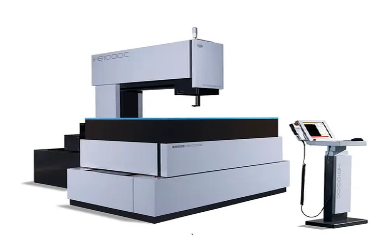
Molybdenum wire is compatible with both wire-cut EDM and sinker EDM, but the specifics of the machine setup and operation vary. Wire-cut EDM, which uses a continuously moving wire to cut through materials, is ideal for molybdenum wire because it requires consistent wire movement and precise tension control. The wire’s high tensile strength ensures that it can maintain its integrity under the stress of constant feeding, even when cutting tough or hard materials. On the other hand, sinker EDM, which typically uses a fixed electrode to shape the workpiece, may also benefit from molybdenum wire in certain applications, although it is more commonly used with electrodes made of copper, graphite, or tungsten. While sinker EDM machines can technically use molybdenum wire in specific scenarios, wire-cut EDM machines are more commonly associated with its use due to the wire’s inherent properties and the dynamic nature of the wire feed system in wire-cutting processes. Therefore, EDM machines with advanced wire feeding systems, precision control over current and discharge settings, and the ability to handle the mechanical and thermal properties of molybdenum wire are ideal for using this material.
For optimal performance in EDM, several working conditions must be carefully controlled:
Coolant Type and Flow
The coolant is essential for dissipating heat in EDM. Molybdenum wire requires a coolant that efficiently manages the heat generated during the process. Typically, water-based coolants with additives are used. The coolant flow rate and temperature must be monitored to ensure efficient cooling and minimize wear on the wire.
Discharge Parameters
Molybdenum wire can withstand higher currents and pulse energies, but precise control of discharge parameters is necessary. Setting pulse duration, frequency, and voltage too high can cause wire damage, while too low settings can reduce cutting efficiency. Adjusting these parameters based on material type and thickness is crucial for optimal wire performance.
Machine Settings
Proper machine settings are essential for using molybdenum wire effectively:
Wire Tension: It must be adjusted to prevent snapping or poor performance.
Feed Rate: The feed rate should balance speed and precision to avoid inaccuracies.
Gap Distance: Maintaining the correct gap between the wire and the workpiece ensures consistent cutting and optimal precision.
Molybdenum wire enhances both precision and surface quality in EDM:
Impact on Precision
Due to its high tensile strength, molybdenum wire maintains its shape during cutting, ensuring high-precision cuts, especially in tough materials like hardened steel. This property minimizes wire deflection and allows for precise, intricate cuts.
Surface Quality Improvement
Molybdenum wire’s stability reduces imperfections such as burrs, leading to smooth, high-quality surfaces. This is especially beneficial for applications requiring a fine surface finish, as it reduces the need for additional polishing.
Optimizing Performance
Proper calibration of machine settings like pulse frequency, discharge energy, and wire tension is necessary to balance cutting speed with precision. Fine-tuning these settings helps reduce processing time while maintaining a high-quality finish and dimensional accuracy.
Molybdenum wire offers several advantages over other common electrode materials like brass wire, but it also has some limitations:
Advantages of Molybdenum Wire
Durability: Molybdenum wire is more resistant to wear and deformation under high temperatures, making it more durable than brass wire. This ensures longer-lasting performance, especially in tough materials.
High Melting Point: Its ability to withstand higher thermal energy makes it ideal for cutting hard materials like carbide and high-speed steel. Brass, with a lower melting point, wears out faster.
Precision: Molybdenum wire offers better control for precise cuts due to its rigidity, which is advantageous for high-precision applications. Brass wire tends to bend more easily, reducing accuracy.
Disadvantages of Molybdenum Wire
Cost: Molybdenum wire is more expensive than brass, which may not be cost-effective for less demanding applications.
Lower Cutting Speed: Molybdenum wire cuts slower in some materials due to its density and lower electrical conductivity compared to brass.
Machine Requirements: Molybdenum wire often requires EDM machines with more precise control over parameters like wire tension and discharge energy, whereas brass is more adaptable to various machines.
Despite its advantages, using molybdenum wire can present some technical challenges:
Wire Tension Issues
Molybdenum wire requires precise tension control to avoid snapping or uneven cuts. Regular monitoring and adjustment of the tension are necessary for optimal performance.
Wire Stability and Deflection
Molybdenum wire can still experience deflection, especially when cutting thicker or tougher materials, which can affect accuracy and surface quality. Proper machine calibration is essential to reduce deflection.
Wire Wear and Breakage
Over time, molybdenum wire may experience wear, especially when cutting hard materials. To minimize wear, it's important to adjust the discharge parameters and ensure they are within optimal ranges.
Cooling and Heat Dissipation
Efficient cooling is necessary to prevent wire overheating and degradation. Using the right coolant and ensuring proper flow are crucial for maintaining the wire's performance.
Wire-Cut EDM: Best for precise cuts on tough materials like carbide and titanium, with excellent control over tension and feed rate.
High-Precision EDM Machines: Ideal for tight tolerances and intricate cuts in industries like aerospace and mold-making.
Machine Size and Power: Larger machines with higher power ratings are better for thicker, harder materials.
Advanced Features: Features like automatic wire threading and pulse control improve efficiency and reduce wire breakage.
Cutting Speed: Slower speeds are better for precision, while faster speeds may cause wear.
Pulse Frequency and Duration: Higher frequencies provide finer cuts, while lower frequencies suit thicker materials.
Wire Tension: Ensure proper tension to prevent deflection or breakage.
Discharge Energy: Adjust based on material type to optimize cutting while reducing wear.
Not all EDM machines are compatible with molybdenum wire. Special configurations or designs may be required for certain EDM machines to support its use, especially those with advanced wire feed systems and precise discharge controls.
Yes, you typically need to adjust machine parameters such as current, pulse frequency, and discharge time when using molybdenum wire to ensure optimal machining results.
Molybdenum wire requires suitable EDM coolant to maintain optimal performance. The type and flow rate of the coolant can affect the lifespan of the wire and the machining precision.
Yes, molybdenum wire is generally more expensive than brass wire, but its higher durability and better machining precision often justify the cost over the long term.
Molybdenum wire offers excellent durability and precision, making it ideal for EDM applications that require high strength and high accuracy, especially when cutting tough materials like carbide and titanium. The best EDM machines for molybdenum wire are wire-cut EDM machines, which provide precise control over wire tension, feed rate, and discharge parameters. High-precision machines are also suitable for applications that require tight tolerances. Proper machine settings, including adjusting cutting speed, pulse frequency, wire tension, and discharge energy, are essential for optimizing the performance of molybdenum wire. By carefully selecting the right machine and fine-tuning these settings, molybdenum wire can achieve superior cutting precision, reduced wear, and increased efficiency in a wide range of industrial applications.
 HB400
HB400  HB600
HB600  HB800
HB800  LA350A
  LA500A
  LA800
LA800  EB450
EB450  EA500A
  EB650N
  DS703C
  SK450
SK450